A Pioneering Programme for Today’s Musician
The Musicians’ Wellbeing Programme introduces an innovative approach within classical music education, bringing together an exceptionally broad range of specialised practices and disciplines within one structured framework, all dedicated to supporting the contemporary musician as a whole.
From physical preparation and recovery, performance anxiety management and performance coaching to the Alexander Technique, Feldenkrais Method, Breathwork, Yoga, Tai Chi & Qigong, Physiovoice, specialised physiotherapy for musicians, Sound Therapy and the Tomatis Method, the programme recognises that a musician is more than a performer. The body, breath, nervous system, emotional resilience and artistic expression are interconnected and all play an essential role in a musician’s development and wellbeing.
What makes the programme distinctive is precisely this integration: approaches that are often encountered separately are brought together within a classical music education environment and incorporated into the musician’s development — from the early years of training through to professional life and performance.
In this way, we aim to redefine what it means to prepare a musician today. Musical preparation is not only about technical excellence and artistic development; it is also about body awareness, managing the demands of performance, developing effective ways to release accumulated tension, and building the physical and psychological resources needed for a healthy, creative and sustainable life in music.
Because behind every instrument, every voice and every performance, there is first a human being — and caring for that person should be an integral part of music education.
Classes:






The Musician Behind the Sound
Preparation, Performance & Musicians’ Wellbeing
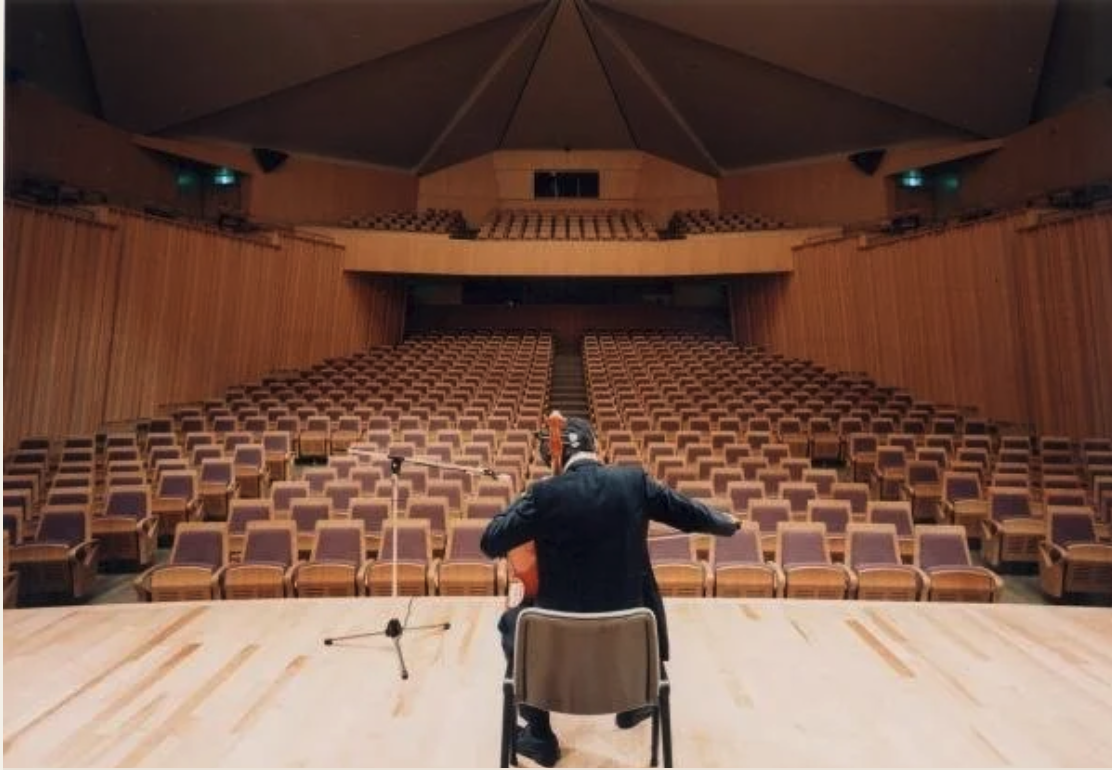
Behind every sound is a person. A body that practises and repeats, a breath that follows the musical phrase, a mind that focuses, and an emotional world that gives depth to interpretation.
At Musical Horizons, we approach a musician’s preparation as a holistic process. Alongside technical and artistic development, we create space for body awareness, psychological resilience, and the management of performance demands. With particular emphasis on professional musicians and those preparing for a professional career, our aim is to support a creative relationship with music that can be sustained over time.
A Demanding Journey That Begins Early
A musician’s education often begins in childhood. Alongside the joy of discovery come daily practice, repetition, precision, assessment, and the first experiences of performing in front of an audience. A young musician learns to listen attentively, persevere, collaborate, and share something deeply personal through performance.
Along this journey, they may also encounter fear of making mistakes, comparison, performance pressure, or disappointment when the outcome does not reflect the effort they have invested. A difficult examination or concert can affect a young musician’s confidence — particularly when they have not yet developed the tools to distinguish a challenging experience from their own worth and potential.
Later, auditions, professional performances, intensive rehearsals, and changing working conditions bring new demands. The support a musician receives needs to evolve alongside them, from their earliest steps to a mature professional career.
The Body as Part of Music Education
Long hours of practice, repetitive movements, and prolonged time spent in similar positions can place considerable demands on the body, particularly when they are not balanced with adequate breaks, varied movement, and recovery. Physical strain should not be considered an inevitable price of being a musician; rather, it is a reason to integrate physical care into music education from an early stage.
Just as an athlete prepares for the physical demands of their discipline, a musician needs tools for the particular demands of their instrument or voice. Physical warm-up, awareness of posture and movement, free and efficient breathing, thoughtful organisation of practice, and recovery after exertion are essential elements of this preparation.
Musicians learn to recognise unnecessary tension, become aware of their limits, and seek appropriate support when needed. They develop a greater sense of presence in their bodies, allowing technique to serve musical expression with greater ease and freedom.
The Artist’s Emotional World
Musical interpretation often draws upon personal experience: joy, loss, desire, memory, and even pain. Artists can transform these experiences into sound and share them with an audience. This openness can be a powerful source of creativity, but it also requires space, boundaries, and care.
Artistic sensitivity does not require constant exhaustion or personal suffering. Musicians need to be able to approach emotion, express it, and then release it. They need physical, psychological, and mental resources that help them remain present on stage and return to everyday life with a sense of balance.
From Performance Anxiety to Performance Experience
How do I prepare for a performance? What can I do when my body becomes tense, my breathing changes, or my mind becomes preoccupied with the possibility of making a mistake? And how do I approach the next concert when the previous one did not go as I had hoped?
Managing performance anxiety involves preparation before a performance, support during it, and reflection afterwards. We cultivate practices that support concentration, familiarity with the performance environment, refocusing attention and visualisation, together with a more constructive and supportive way of evaluating one’s own performance.
From a student concert to a professional audition, the aim is for musicians to learn from a difficult experience without becoming trapped by it — to recognise what still needs work while also acknowledging what they have already achieved.
Building Resources for a Sustainable Career
Professional resilience develops through a balance between effort and recovery. Rest, sleep, breaks, movement, and emotional support all contribute to building the resources needed during periods of increased demand.
With appropriate guidance, musicians can develop a better understanding of how their nervous system responds to stress and learn to recognise signs of tension, fatigue, and overload. They can explore practices that help them prepare, focus, regulate tension, and recover, according to their individual needs.
These skills and resources do not always have a systematic place within traditional music education. At Musical Horizons, we aim to integrate them meaningfully into artistic development by providing access to specialised professionals and classes that support the individual throughout their musical journey.
Classes & Specialised Support
The programme includes:
Physical Preparation & Recovery: warm-up, movement awareness, and recovery practices following practice sessions, rehearsals, or performances.
Performance Anxiety Management: preparation for performing in front of an audience, with support before and after performances.
Alexander Technique: exploring habitual patterns of posture and movement and identifying unnecessary tension during musical performance.
Feldenkrais Method: exploring movement to develop awareness, ease, and a wider range of movement possibilities.
Breathwork — Breathing Practices: developing awareness of breathing and exploring practices for relaxation and emotional release, adapted to the specific needs of musicians.
Physiovoice: focusing on releasing tension in the larynx, tongue, and the wider vocal mechanism, supporting vocal recovery and free, effortless phonation.
Yoga for Musicians: movement, concentration, and body-awareness practices adapted to musicians.
Tai Chi & Qigong: gentle movement practices supporting balance, coordination, and focused attention.
Specialised Physiotherapy for Musicians: individual assessment and support addressing the specific physical demands associated with musical activity.
Performance Coaching: structured preparation for auditions, examinations, and concerts, with emphasis on concentration, stage presence, and performance management.
Educational practices and specialised care work in a complementary way, with guidance adapted to the needs and stage of development of each musician.
We care for the musician behind the sound, so that they can continue to create, express themselves, and grow at every stage of their lives.