The Musician behind the instrument
A Pioneering Programme for Today’s Musician
The Musicians’ Wellbeing Programme introduces an innovative approach within classical music education, bringing together an exceptionally broad range of specialised practices and disciplines within one structured framework, all dedicated to supporting the contemporary musician as a whole.
From physical preparation and recovery, performance anxiety management and performance coaching to the Alexander Technique, Feldenkrais Method, Breathwork, Yoga, Tai Chi & Qigong, Physiovoice, specialised physiotherapy for musicians, Sound Therapy and the Tomatis Method, the programme recognises that a musician is more than a performer. The body, breath, nervous system, emotional resilience and artistic expression are interconnected and all play an essential role in a musician’s development and wellbeing.
What makes the programme distinctive is precisely this integration: approaches that are often encountered separately are brought together within a classical music education environment and incorporated into the musician’s development — from the early years of training through to professional life and performance.
In this way, we aim to redefine what it means to prepare a musician today. Musical preparation is not only about technical excellence and artistic development; it is also about body awareness, managing the demands of performance, developing effective ways to release accumulated tension, and building the physical and psychological resources needed for a healthy, creative and sustainable life in music.
Because behind every instrument, every voice and every performance, there is first a human being — and caring for that person should be an integral part of music education.
Tai Chi & Qi Gong for Musicians & Performing Artists
Led by Argyris Tsepelikas of Wuji Center Exarcheia
The Body in Flow
“How can I feel grounded without becoming tense? How can I remain focused while still being available for movement and expression?”
For musicians, precision is often associated with the effort to control every detail. The body may become still or rigid, the shoulders may rise, and breathing may become restricted. On stage, this tendency can sometimes become even more pronounced.
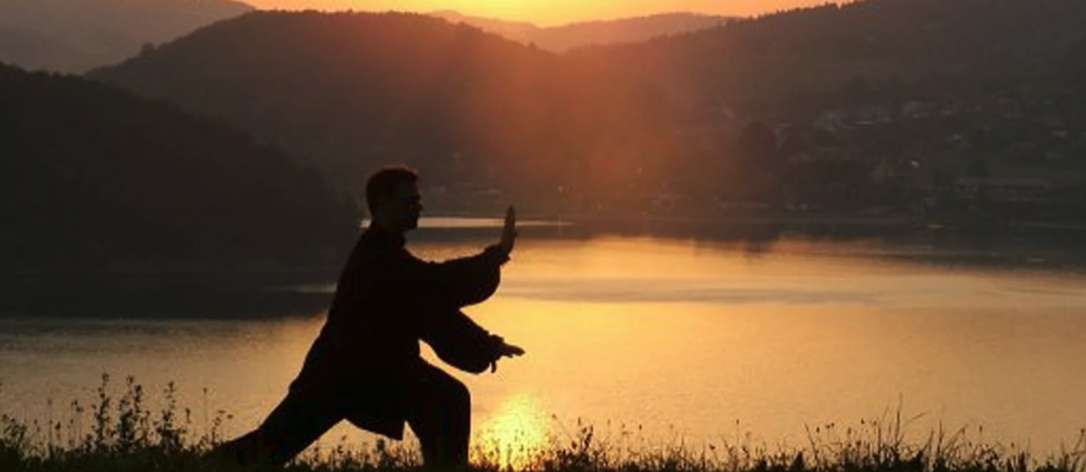
Tai Chi and Qi Gong offer a space to explore movement with awareness, continuity, and calm. Through gentle movement sequences, shifts of weight, and awareness of breathing, we cultivate the experience of a body that can support action without becoming rigid.
Two Related Practices
Tai Chi is a Chinese martial art which, in many forms of practice, uses slow, continuous movements and coordinated shifts of body weight.
Qi Gong encompasses practices involving posture, gentle movement, breathing, and focused attention. Its sequences can be simpler and repetitive, allowing time to observe and become more aware of physical experience.
Within the context of artistic and performance preparation, we are particularly interested in the relationship between grounding, breathing, movement, and intention.
For Musicians Who Practise for Long Hours
“After hours with my instrument, I feel as though my body has been held in the same position.”
Musical practice involves repetition and often a relatively limited range of movement. Tai Chi and Qi Gong offer an opportunity to move differently: shifting weight from one foot to the other, rotating the torso, and noticing how the arms can follow the movement of the body as a whole.
This variety can provide a valuable counterbalance to the relative stillness and repetition of instrumental practice. At the same time, it invites us to notice when we are using more force than necessary and to explore how movement can become more comfortable and economical.
Stability Without Rigidity
In music, stability needs to coexist with flexibility. A body that is constantly “holding itself” may find it more difficult to respond freely to changes in phrasing, dynamics, or stage movement.
Through slow movement, we explore contact with the ground, the organisation of the joints, and the coordination of the legs, pelvis, torso, and arms. We develop awareness of the position and movement of the body — proprioception — and observe how balance is organised as we move.
For musicians, this experience provides an opportunity to reconsider how they stand or sit, support their instrument, and prepare for movement.
Breath That Accompanies Movement
“As soon as I concentrate on something difficult, I forget to breathe.”
During practice, we observe the breath while moving without forcing it to become deeper or to follow a demanding rhythm. We explore a comfortable coordination between breathing and movement, so that physical action is not automatically accompanied by breath-holding or unnecessary tension.
For singers and wind players, this provides a complementary exploration of the relationship between breathing and the body. For other musicians, it offers a way of keeping breath within their field of awareness even when sound is produced through an external instrument.
Calm Alertness on Stage
Stage presence requires us to listen, observe, and respond. We need energy and readiness, while also maintaining the ability not to be carried away by every thought or sensation of tension.
The slow sequences of Tai Chi and Qi Gong provide an opportunity to practise attention: we follow a movement, notice when our attention has wandered, and return to the physical experience. In this way, we cultivate a quality of calm alertness — a state of presence that remains active, responsive, and available.
This practice can become part of an artist’s personal preparation routine, alongside musical practice and other tools for managing performance anxiety.
What Do We Explore in the Class?
Gentle movement sequences adapted to each participant’s individual abilities.
Weight shifting and awareness of support through the feet.
Coordination of the torso and limbs, with attention to continuity and fluidity of movement.
Awareness of breathing without excessive control.
Recognition of unnecessary tension and exploration of more comfortable and efficient alternatives.
Training concentration, spatial awareness, and presence.
The practice complements artistic training and physical wellbeing. It is adapted to the individual needs of each participant and is not intended to replace professional assessment or rehabilitation in the case of injury.
Just as a musical phrase connects individual sounds into one continuous movement, the body can discover continuity, flexibility, and space between intention and expression.